
10 American stories your history teacher skipped
(and where to go see them for yourself)

Quick pop quiz: name the first capital of the United States.
If you said Washington, D.C., you're in good company, and also wrong. The federal government bounced around to nine different cities before D.C. ever got the job. Turns out even the founding fathers had trouble picking a place to settle down.
With America's 250th birthday, I've been digging into the stories that never made it into your eighth grade textbook. Not because they're boring. Because they didn't fit on the test. These are the stories that make history feel like something that actually happened to actual people, in actual places you can visit. This is a huge year for patriotic and heritage travel, so I thought I'd round up ten of my favorite US stories, plus where to go experience each one in person.
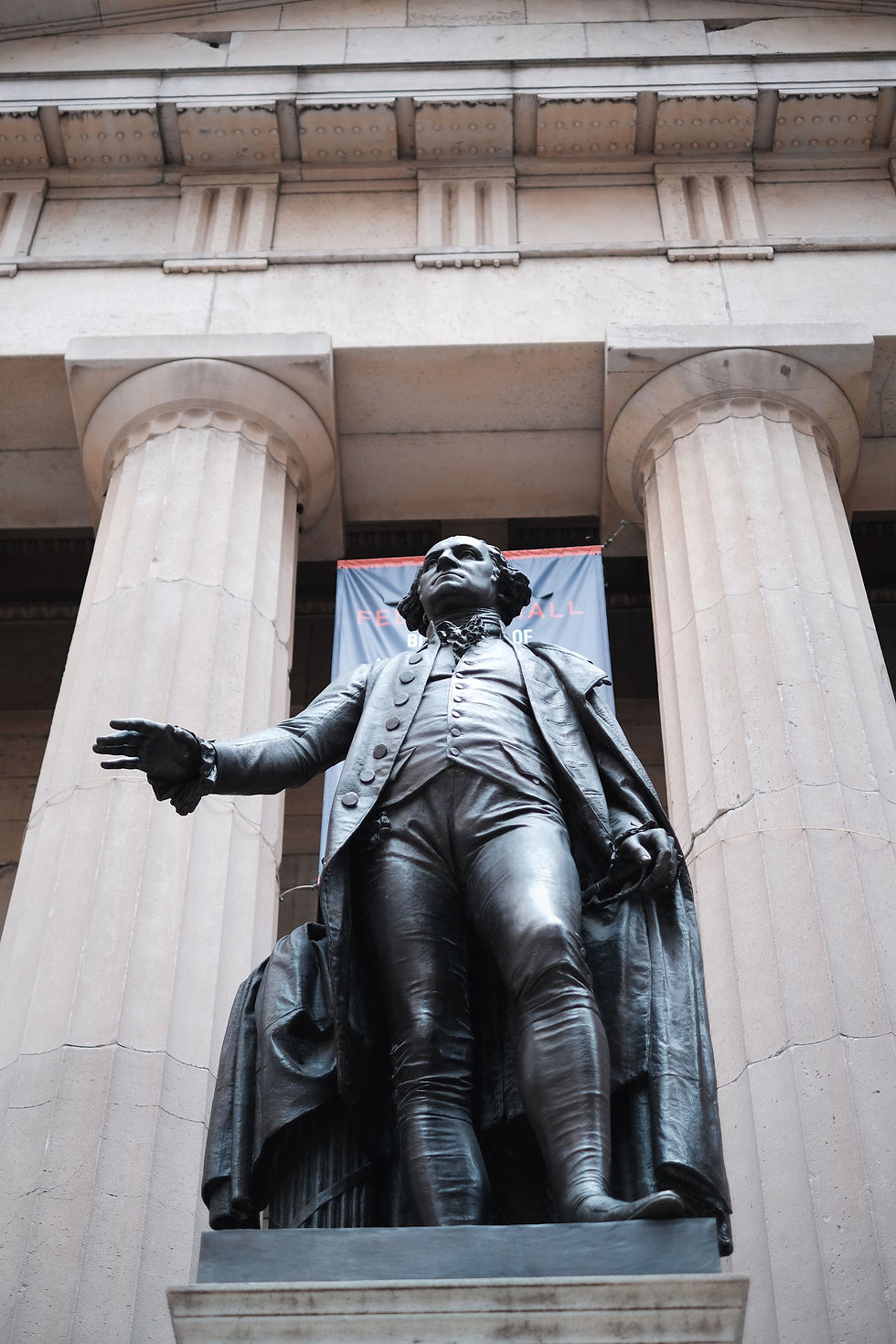
1. The capital that wasn't
Before Washington, D.C. existed, Congress met in other cities: New York, Philadelphia, Annapolis, and York. The permanent capital only happened because northern and southern leaders cut a political deal over Revolutionary War debt. Nothing says "founding fathers" quite like a real estate compromise.
Go see it: Federal Hall in New York, where Washington took his first oath of office, then Independence Hall in Philadelphia.

2. The Liberty Bell's timing was off
Everyone pictures the Liberty Bell ringing out on July 4, 1776. Historians think that's a myth. The Declaration wasn't even announced publicly yet. The bell more likely rang on July 8, when the Declaration was first read aloud to the crowds in Philadelphia.
Go see it: The Liberty Bell Center, then the courtyard where that first public reading happened. Why is the Liberty Bell cracked, you may wonder? It was originally made with too much tin, which caused the cracking right after delivery. In 1846 a repair was attempted, but the crack only widened, leaving it the way it is now.

3. Some of the shortest fights in American history
Not every battle in our past dragged on for years. American military history includes plenty of skirmishes and standoffs that wrapped up in less time than it takes to get through airport security. History books love the long wars. The short, strange ones deserve a little attention too.
Go see it: Skip the famous battlefields for a weekend, and visit the lesser known Civil War and frontier sites instead. Ranger tours, real history, and you'll practically have the place to yourself.

4. Jamestown isn't actually the oldest
Jamestown, Virginia gets all the glory, but St. Augustine, Florida beat it by more than 40 years. The Spanish founded it in 1565. Walk the streets today and it feels more like coastal Spain than anything you'd expect to find in the American South.
Go see it: Castillo de San Marcos National Monument, plus the lighthouse for a great view over the oldest city in the country. Add some great shopping on St. George Street, and you’ve got a great little outing.

5. Saratoga, not Yorktown, may have been the real turning point
Yorktown (Virginia) gets the fame, but a lot of historians point to Saratoga, New York, as the moment that mattered most. The terrain trapped the British army, forced their surrender, and convinced France to formally back the American cause. Sometimes hills win wars, not just generals.
Go see it: Walk Bemis Heights in Stillwater with a park ranger and let the landscape explain the battle better than any lecture could. The bluff overlooking the Hudson River is a strategic location and provided a solid win for the patriots.

6. A Kansas town that's mostly underground
Hutchinson, Kansas sits on top of a massive salt deposit that formed 250 million years ago, long before anyone was fighting over anything. Miners carved out an entire underground world down there, and today you can ride an elevator 650 feet down to explore it.
Go see it: Strataca, one of the more unexpected museum experiences you'll find anywhere in the country.

7. America has its own rainforest, no passport required
El Yunque National Forest in Puerto Rico is the only tropical rainforest in the entire National Forest System. It gets over 200 inches of rain a year, which explains why everything there is impossibly green.
Go see it: Hike to the waterfalls, and if you can stay past dark, listen for the coquí frogs. It's one of the most different-feeling trips you can take without leaving the country.

8. The biggest tree on Earth predates the Roman Empire
The General Sherman Tree in Sequoia National Park is roughly 2,200 years old, the largest living tree on earth. It was already ancient when Julius Caesar was walking around. Standing under it tends to put your Monday morning in perspective real fast.
Go see it: Walk the Congress Trail in the national park early, before the tour buses show up.

9. A cave system that keeps getting bigger
Mammoth Cave National Park, in south-central Kentucky, has more than 430 mapped miles of passageways, and explorers are still finding more. Stretched out in a straight line, that's farther than driving from Nashville to Chicago. Underneath Kentucky, apparently, is basically a second country.
Go see it: Book the Historic Tour, great for first-timers, the Domes & Dripstones, which ends with the Frozen Niagara flowstone formation, or the Violet City Lantern tour, where you explore with 1800s-style lanterns.
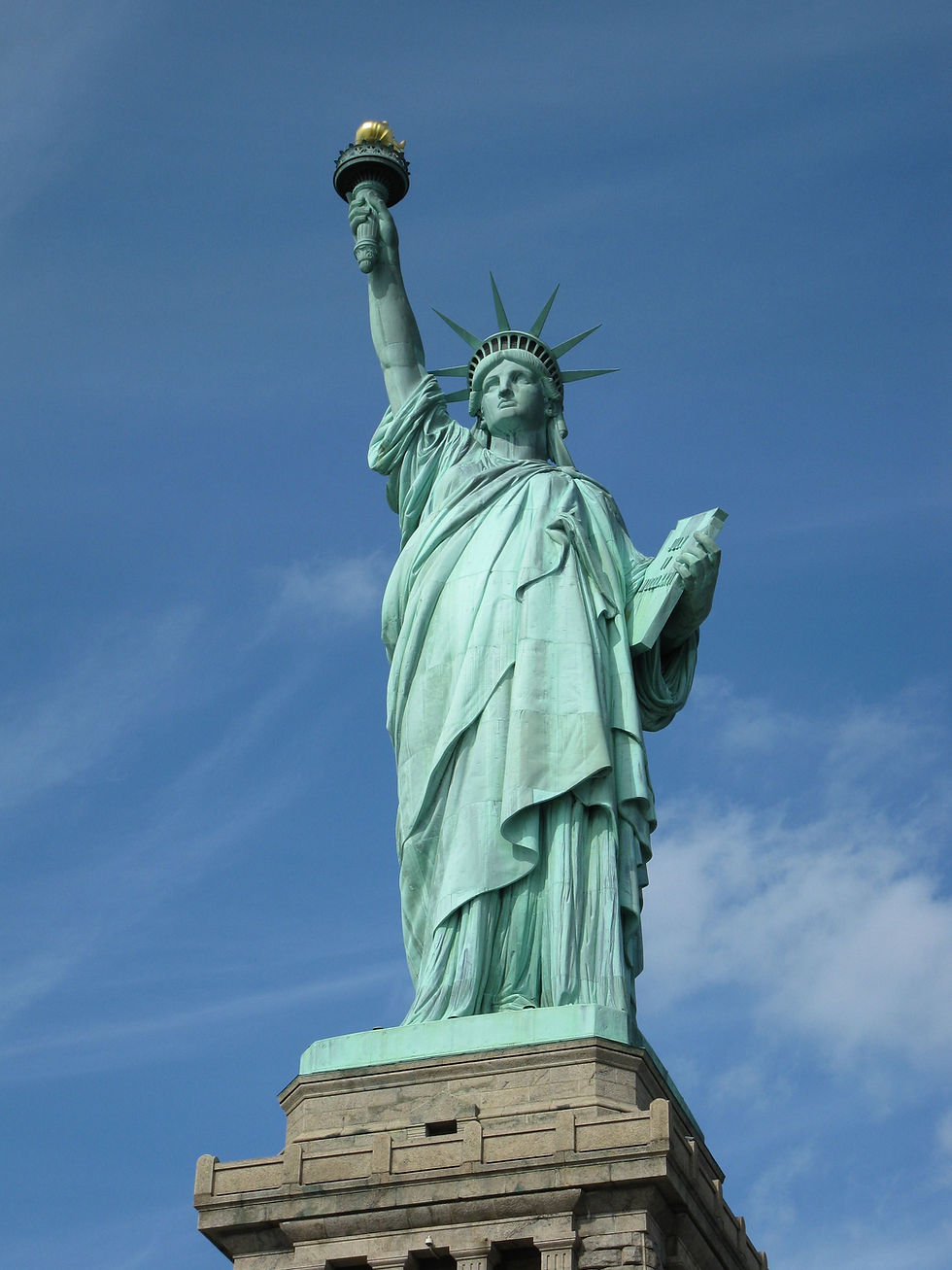
10. Lady Liberty wasn't always green
When the Statue of Liberty was unveiled in 1886, she was a shiny, penny-colored copper, not the green we know today. It took about 25 to 30 years of salt air, rain, and pollution to turn her into the icon we picture now. In 1906, Congress actually set aside money to paint her back to her original color. New Yorkers were furious, the plan got scrapped, and the green stuck around for good.
Go see it: Take the ferry out to Liberty Island and look closely at the torch and crown details. Then head to the museum on site, where you can see an original 1886 copper replica torch up close and get a real sense of what she looked like on day one.
What this means for your next trip
You don't need to see the same ten landmarks everyone else photographs to feel connected to this country's story. Sometimes the more interesting version of American history is sitting in a small town most people drive right past.
With the 250th anniversary, this is a great year to build a trip around a theme instead of a checklist. History that changed the country. Natural wonders that put things in perspective. A side of America (like Puerto Rico) that surprises even people who think they've seen it all.
If any of these stories sparked an idea, I'd love to help you build a trip around it. That's the fun part of my job: turning "huh, I didn't know that," into "I can't believe we actually went there."


Comments