
The unwritten rules of river cruising
What first-time river cruisers should know before sailing Europe
River cruising comes with its own rhythm and, yes, a few unwritten rules.

You unpack once, settle into your cabin and wake up somewhere new almost every day.
There are no trains to catch, no hotels to change and no dragging your suitcase across cobblestones.
River cruising isn't simply ocean cruising on a smaller ship. The ships, excursions, pace and even choosing a cabin are different.
Knowing a few of these details ahead of time can make a big difference. Good thing you’ve got me!
If you're planning your first (or even your tenth) European river cruise, here are the unwritten rules I'd want you to know before you go. If you’ve been on a river cruise previously, hopefully you’ve learned these, but if not, I’m happy to spell them out for you.
River cruise Rule 1: Arrive early. Really.
If you're flying internationally to meet a river cruise, don't plan to arrive the day your ship leaves.
Flight delays, cancellations, missed connections and misplaced luggage happen. If your flight arrives late, your river ship may not wait for you.
And catching up with the cruise isn't always simple, not to mention the worse problem of all of the extra stress and worry that trying to play catch-up will cause!
A river ship can travel through several towns in a relatively short period, so meeting it at the next stop may involve trains, taxis or an unexpected hotel stay.
I recommend arriving at least one day before your river cruise. Two nights is even better, especially when your cruise begins somewhere like Amsterdam, Budapest, Basel or Vienna. But one night earlier at the least.
Besides protecting your cruise from flight disruptions, arriving early gives you time to adjust to the time zone and explore your embarkation city.
Starting your vacation with a leisurely breakfast beats starting it with a sprint through an airport.
River cruise Rule 2: Leave your ocean-cruise expectations at home
A river cruise isn't a mini ocean cruise.
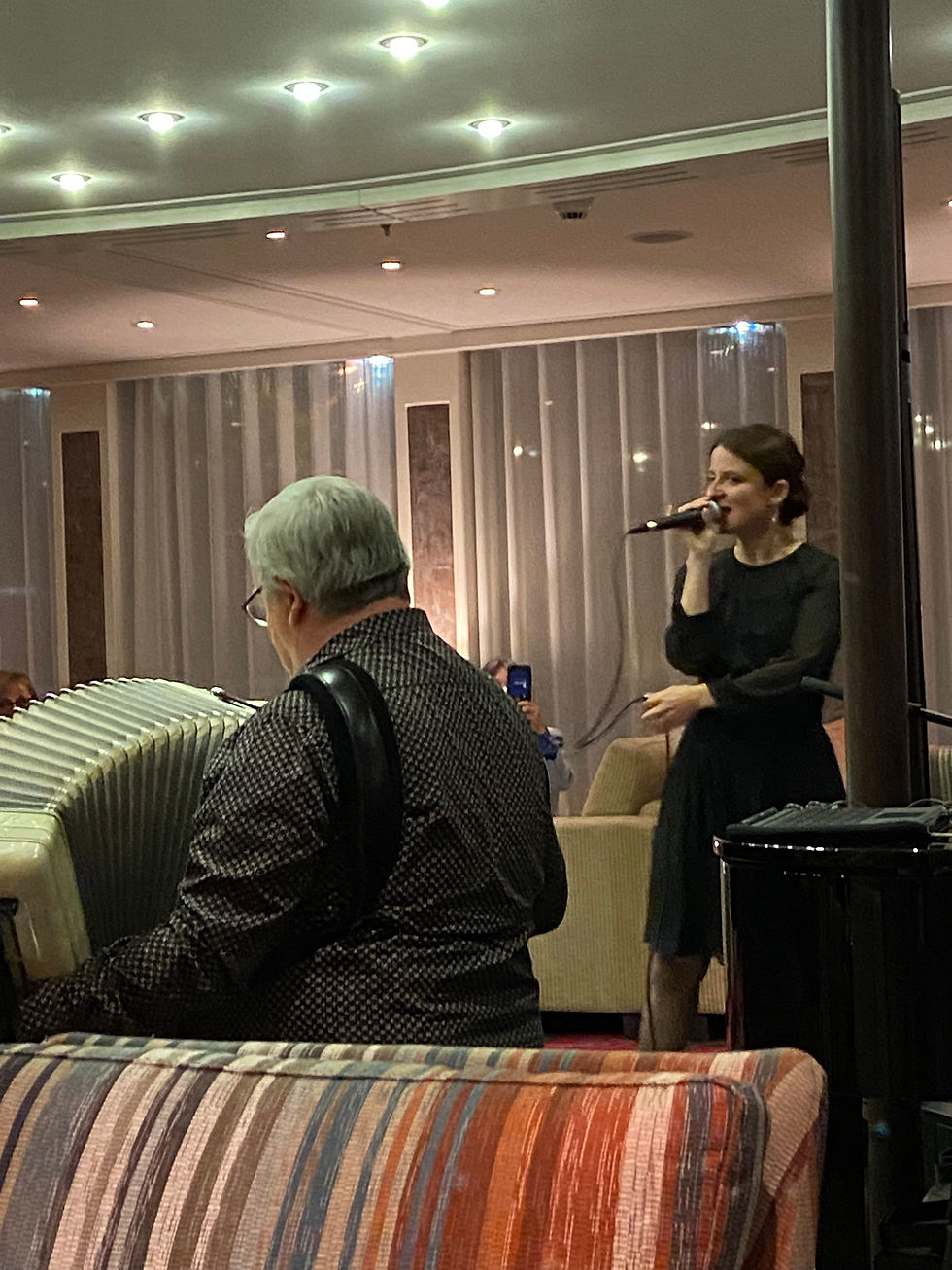
River ships are smaller, quieter and much more destination-focused. You won't find giant theaters, casinos, waterslides or a dozen restaurants onboard. If that’s your jam, stick with the ocean cruises. You’ll be much happier.
Entertainment is generally more low-key, with local performers, lectures and music. And sometimes the best entertainment is simply sitting outside while the scenery passes by.
That's the tradeoff, and I think it's a pretty good one.
On a European river cruise, you might sail past castles and vineyards on the Rhine, through Austria's Wachau Valley on the Danube, or alongside historic villages in France.
If your priority is nonstop onboard entertainment, river cruising may feel too quiet.
If you're there to experience the destination, that's where river cruising shines.
River cruise Rule 3: You don't have to do everything
This may be the most underrated piece of river cruise advice I can give you.
River cruise itineraries can be surprisingly busy.
Morning walking tour. Afternoon excursion. Scenic sailing. Dinner. Evening entertainment.
Repeat.
By Day 5, every charming medieval church can start looking suspiciously familiar.
You don't have to participate in everything simply because it's included.
Sleep in one morning. Sit on the sun deck. Wander through town without a guide. Find a café. Stay onboard during a short port stop if that's what sounds good.
And don't overlook scenic sailing. On rivers such as the Rhine, Danube and Douro, watching castles, vineyards and villages pass by isn't downtime.
It's an amazing part of the trip.

River cruise Rule 4: Give the included excursions a chance
Experienced ocean cruisers sometimes hear "ship excursion" and picture a giant bus, a souvenir stop and a guide holding a numbered paddle.
River cruise excursions are often quite different.
Many European river cruise lines include walking tours, cultural visits and local experiences in the cruise fare. Depending on the cruise line, you may have choices between traditional sightseeing, food experiences, cycling tours, hikes and slower-paced walking groups.
The included tour might be absolutely perfect. Sometimes it’s a private guide or small-group experience.
The rule here is simple: look at what's included before assuming you need something else.
River cruise Rule 5: Know when and where your ship is leaving
Here's one of those river cruise details nobody thinks about until it matters.
Your ship may not be in exactly the same place when you return.
River ships sometimes change docking locations during the day. They can also dock side-by-side, known as rafting, which may mean walking through another ship to reach yours.
Before heading out independently, know your ship's all-aboard time, where it is expected to be docked and how to contact the ship or cruise director. And remember the name of the ship you’re on.
Then give yourself some cushion when returning.
River cruise captains have schedules to keep.
They aren't required to wait while you decide between two Christmas ornaments.

River cruise Rule 6: Your shoes matter more than your dinner clothes
Cobblestones are charming right up until your feet start hurting.
European river cruises typically involve quite a bit of walking through old towns filled with uneven pavement, stairs, hills and historic buildings constructed long before elevators entered the conversation.
Bring comfortable walking shoes that are already broken in.
And pack layers.
Weather along European rivers can change quickly, particularly in spring and fall. A beautiful sunny morning can turn into a cool or rainy afternoon.
The good news is that river cruising tends to be fairly casual. You don't need a suitcase full of formal clothing.
If you have to choose between another dressy outfit and excellent walking shoes, take the shoes.
Every time.
River cruise Rule 7: The river gets a vote
A river cruise itinerary is the plan.
The river occasionally has other ideas.
Water levels can affect European river cruises. High water can make it difficult for ships to pass underneath certain bridges, while low water can make some stretches too shallow to navigate safely.
The Rhine and Danube receive much of the attention when water levels make the news, but conditions can affect other rivers as well and vary by location, season and year.
Cruise lines always have contingency plans. Depending on the situation, they may change ports, adjust excursion schedules, transport passengers by motorcoach or sometimes transfer guests between ships.
This doesn't happen on every river cruise, and it isn't a reason to avoid one.
It does mean flexibility is part of river cruising. Mother Nature doesn't read cruise brochures.

Rule 8: Don't just pay for the word "balcony"
Is a balcony worth it on a river cruise?
Maybe. But understand what you're actually buying.
A traditional balcony has outdoor space you can step onto. A French balcony usually has floor-to-ceiling doors or windows that open but no outside space to walk onto. Other ships use designs that essentially turn part of the cabin into an indoor-outdoor sitting area.
Before automatically selecting “balcony,” compare the actual cabin design, square footage, deck location and price difference.
And there's another little river cruise quirk worth knowing.
Remember how I mentioned that ships sometimes dock directly beside each other? When that happens, your beautiful panoramic window may temporarily offer a panoramic view of someone else's cabin. It’s only for a short time, but it’s nice to know that it might happen.
River cruise Rule 9: Sometimes, lose the tour guide
Included excursions are useful. But you don't have to spend the entire cruise following someone else's schedule.
Take the walking tour, then wander back to that bakery you noticed.
Browse the market.
Sit in the town square.
Try something regional for lunch.
Walk along the river without having somewhere specific to be.
And when your ship stays late or overnight in port, consider spending some of that time ashore rather than automatically returning for every meal or evening activity.
One of the reasons I love river cruising is that it gives you both structure and independence.
Use both.

River cruise Rule 10: Slow down enough to notice where you are
This may be the most important unwritten rule.
It's easy to get caught up in how many countries, cities and famous landmarks you can see on one European river cruise.
But the best parts aren't always the things you check off a list. It’s hearing church bells from the river. Watching vineyards climb the hillsides along the Rhine.
Seeing a castle appear around a bend. Walking through a quiet village before the crowds arrive. Stopping at a café because something smelled too good to walk past.
Learn a few words in the local language. Try regional foods. Respect local customs. Talk to people. Put your phone away once in a while.
You're not visiting cruise-ship attractions. You're visiting real places where people live. Give yourself time to actually experience them.
A few more things experienced river cruisers know
There are a handful of practical details that don't need their own rule but are worth knowing before your first river cruise.
Pack the basic over-the-counter medications you normally use. River ships generally don't have the large shops or medical facilities you may be accustomed to on ocean ships. And you don’t want to spend your entire cruise looking for a pharmacy that sells Tylenol or cold medication.
Check your ship's amenities before packing. Don't assume every vessel has a large fitness center, spa, pool, elevator or self-service laundry.
Bring the correct electrical adapter for the countries you're visiting. Some ships have US outlets and some have European ones. (Again, if you’ve got me, I’ll tell you all of the info so you know what to expect.)
If mobility is a concern, investigate the itinerary before booking. Cobblestones, gangways, stairs, long walking tours and rafting between ships can make some European river cruises more challenging than others.
This is also why I wouldn't choose a river cruise based solely on the itinerary.
Two ships can sail the same stretch of the Rhine or Danube and provide very different vacations. The cruise line, ship, cabin design, included excursions, pace, dining, activity level and atmosphere all matter.

The biggest unwritten rule? Choose the right river cruise for you
There isn't one "best" river cruise. There's the one that fits the way you like to travel.
Maybe you want an active itinerary with cycling and hiking. Maybe you'd rather take a relaxed walking tour and spend the afternoon sitting at a café.
You might love having every excursion organized for you. Someone else may want plenty of independent time.
One traveler may happily pay more for a balcony cabin. Another would rather put that money toward a private tour or a few extra nights in Europe.
Even the river matters. A Rhine River cruise feels different from sailing the Danube, Seine, Rhône or Douro.
That's why choosing the right cruise line and itinerary matters as much as choosing the destination.
Because the goal isn't simply to take a river cruise. It's to step onboard knowing you've chosen the one that fits you, then settle in and enjoy watching the world drift past.

Frequently asked questions about river cruising
What should first-time river cruisers know?
River cruises are more destination-focused than ocean cruises, and can involve considerable walking and sightseeing. Arrive at least one day before embarkation, pack comfortable shoes and layers, understand what excursions are included, and check your ship's cabin designs and amenities before booking.
How early should you arrive before a European river cruise?
Arriving at least one day before embarkation is a smart minimum for an international river cruise. Two nights provides additional protection against flight disruptions and gives you time to adjust to the local time zone and explore your embarkation city.
Is a balcony worth it on a river cruise?
It depends on the ship and traveler. Some river ships offer traditional step-out balconies, while others have French balconies or panoramic windows. Compare the actual cabin design, square footage, deck location and cost rather than choosing based solely on the word "balcony."
How much walking is there on a European river cruise?
European river cruises can involve substantial walking, often on cobblestones, stairs and uneven surfaces in historic towns. Some river cruise lines offer gentle-walking groups or alternative excursions, so travelers with mobility concerns should compare cruise lines and itineraries carefully.
Can river cruise itineraries change because of water levels?
Yes. High or low river levels can occasionally affect navigation, docking locations and itineraries. Cruise lines may adjust ports, excursions or transportation when necessary. Conditions vary by river, location, season and year.
Which European river is best for a first river cruise?
The Rhine and Danube are popular choices for a first European river cruise because they combine scenic sailing, historic cities and smaller towns. France's Seine and Rhône and Portugal's Douro offer very different experiences. The best European river cruise depends on the scenery, destinations, pace and experiences that you’re interested in.
Are river cruises worth it?
If you enjoy destination-focused travel, culture, history, food, smaller ships, a river cruise is probably my favorite way to explore Europe. River cruising is SOO convenient because travelers unpack once while visiting multiple destinations, often docking close to historic city and town centers.
Let me know if you’re thinking about booking a river cruise. I’ll help you figure out the best one for you. I’m a river cruise expert, and I don’t focus on just one cruise line.


Comments